
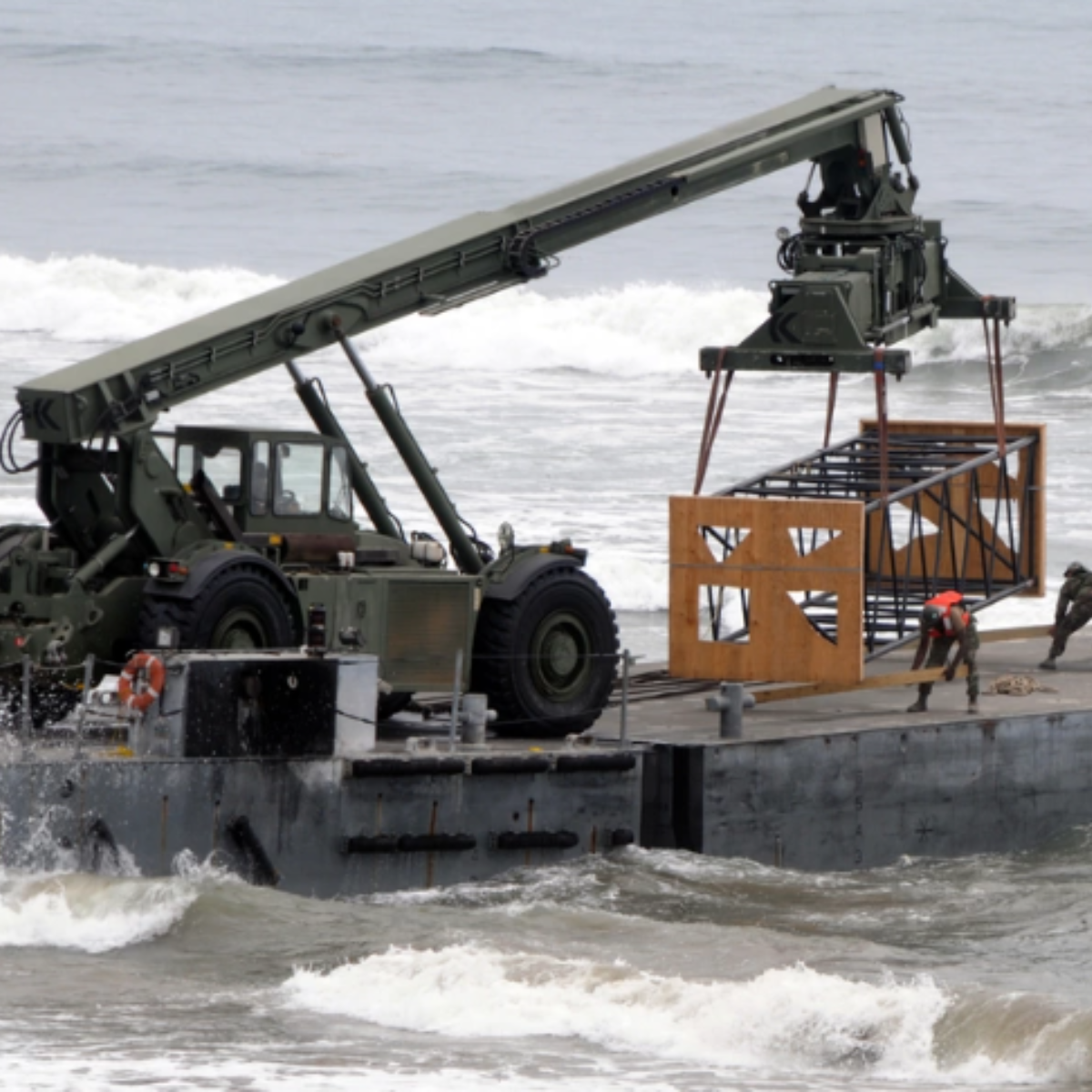
Operating in remote and undeveloped environments presents a unique set of challenges. Limited infrastructure, unpredictable terrain, harsh weather conditions, and tight logistical timelines all demand equipment that can perform reliably without compromise. For organizations working in mining, energy, defense, construction, and remote logistics, efficiency isn’t optional, it’s mission-critical.
This is where Rough Terrain Container Handlers (RTCHs) prove their value. Designed specifically for extreme conditions, RTCHs enable faster container movement, reduced downtime, and safer operations in locations where traditional material handling equipment simply can’t perform.
The Challenges of Remote Operations
Remote worksites often lack paved surfaces, consistent access to utilities, or nearby maintenance support. Common obstacles include:
- Uneven, unstable, or muddy terrain
- Limited space for maneuvering equipment
- High transportation and labor costs
- Delays caused by equipment failure or maintenance needs
Without the right machinery, moving containers efficiently in these environments can quickly become a bottleneck that impacts the entire supply chain.
What Makes Rough Terrain Container Handlers Different
Unlike standard container handling equipment, RTCHs are purpose-built for off-road performance. Key features include:
- High ground clearance and heavy-duty tires for navigating rough terrain
- Powerful lifting capacity to handle fully loaded containers safely
- Durable construction engineered for extreme environments
- Operator-focused design for improved visibility and control
These capabilities allow RTCHs to operate where ports, paved yards, and conventional forklifts cannot.
Driving Operational Efficiency in Remote Locations
- Reduced Downtime: RTCHs are engineered for durability and reliability, minimizing breakdowns in environments where service access may be limited. Fewer interruptions mean operations stay on schedule, even in challenging conditions.
- Faster Container Movement: With the ability to lift, transport, and stack containers directly on rough terrain, RTCHs eliminate the need for multiple pieces of equipment or additional handling steps. This streamlines workflows and reduces cycle times.
- Lower Operating Costs: By consolidating container handling into a single, capable machine, organizations can reduce labor requirements, fuel consumption, and maintenance costs. critical advantages in remote operations where resources are limited.
- Improved Safety: RTCHs are designed with stability, visibility, and operator safety in mind. Better control on uneven ground reduces the risk of accidents, protecting both personnel and cargo.
Supporting Mission-Critical Industries
Rough Terrain Container Handlers play a vital role across industries that depend on reliable logistics in remote environments, including:
- Defense and government operations
- Mining and natural resource extraction
- Energy and utilities
- Disaster relief and humanitarian logistics
- Remote construction and infrastructure projects
In each of these sectors, operational efficiency directly impacts cost control, safety, and mission success.
Built for Global Demands
Modern RTCHs are designed not only to perform in harsh conditions, but to meet global operational standards. Manufacturers like IRTC combine rugged engineering with quality manufacturing practices to deliver machines capable of supporting operations worldwide, from isolated job sites to complex international deployments.
Efficiency in remote operations depends on equipment that can perform reliably without the support of traditional infrastructure. Rough Terrain Container Handlers provide a proven solution, enabling organizations to move containers faster, safer, and more cost-effectively in the most demanding environments.
When operations are far from easy access and failure is not an option, RTCHs are the equipment that keeps supply chains moving. Contact our team to learn how you can improve your operations efficiency.